Smart Solutions for a Modern Home and Garden Fusion
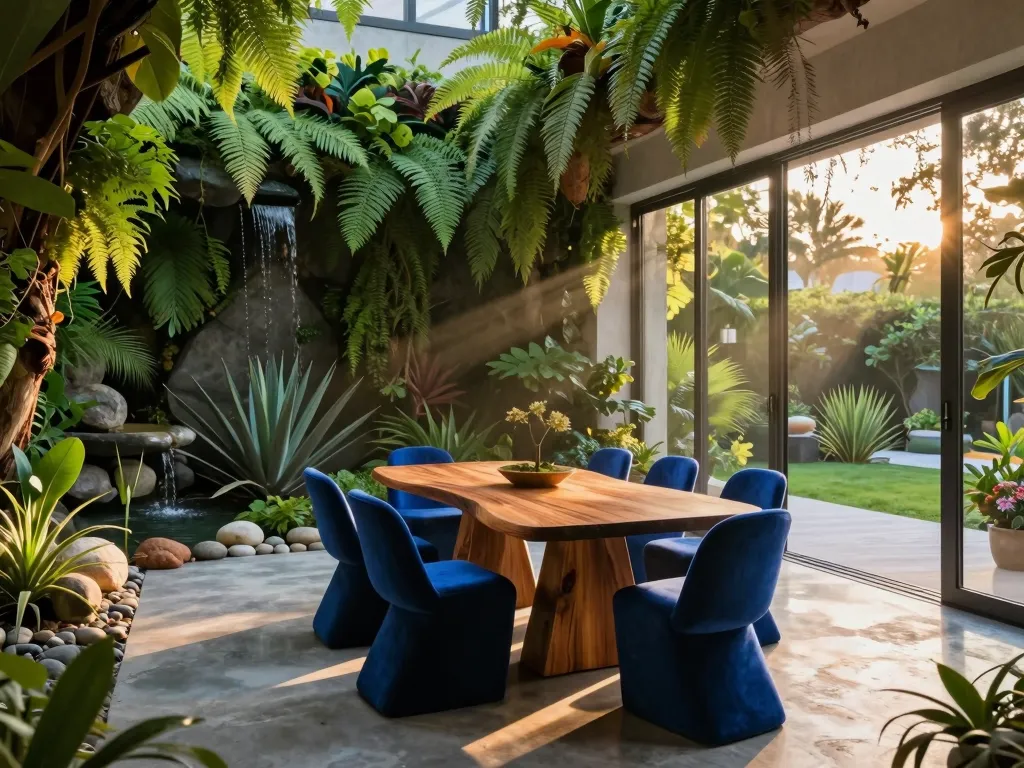
The Future of Smart Homes: Integrating IoT and AI
The evolution of smart home technology is poised to revolutionize domestic spaces, transforming them into adaptive environments that respond intelligently to the needs of their residents. With the integration of Internet of Things (IoT) devices and artificial intelligence (AI), the home of tomorrow will be characterized by seamless connectivity, enhanced automation, and energy efficiency. As early adopters, you have the opportunity to reshape your living space into a hub of innovation.
Subsection 1.1: Understanding IoT Ecosystems in Smart Homes
At the heart of smart home technology lies the IoT ecosystem—a network of interconnected devices that communicate with each other to automate daily tasks. Devices like smart thermostats, security cameras, and voice assistants create a cohesive environment that learns from user behaviors. For instance, systems like Google Nest not only adjust your home temperature based on historical data but also adapt to your lifestyle changes, ultimately optimizing energy consumption.
Subsection 1.2: The Role of AI in Home Automation
Artificial intelligence enhances smart homes by providing predictive capabilities that anticipate user needs. Think of your AI-powered assistant analyzing your daily routines and making proactive recommendations, such as adjusting lighting based on your activity or suggesting recipes based on your pantry inventory. According to a recent study, AI integration in home systems can reduce energy costs by up to 30% over time, making it a smart investment for early adopters.
Subsection 1.3: Practical Steps to Build Your IoT-Enabled Home
To start your journey towards a smart home, consider implementing the following steps:
- Assess Your Needs: Identify which areas of your home require automation—security, energy management, or convenience.
- Choose a Hub: Select a central hub, such as Samsung SmartThings, that can integrate various IoT devices for streamlined control.
- Invest in Compatible Devices: Opt for devices that are compatible with your hub to ensure seamless connectivity—think smart bulbs, smart locks, and connected appliances.
Smart Gardening: The Digital Green Thumb
Gardening is undergoing a digital transformation, with emerging technologies making it easier and more efficient than ever. From automated irrigation systems to advanced soil sensors, tech-savvy gardeners can now cultivate thriving gardens with minimal effort. The future of gardening lies in the integration of technology that empowers both novice and experienced gardeners to achieve optimal results.
Subsection 2.1: Automated Irrigation and Water Management
Automated irrigation systems equipped with moisture sensors can significantly reduce water wastage while ensuring plants receive adequate hydration. For example, systems like Rachio use weather forecasts and soil moisture levels to schedule watering times, optimizing water use. This not only conserves water but also promotes healthier plants, making it an essential tool for eco-conscious gardeners.
Subsection 2.2: Smart Soil Monitoring Systems
Soil health is crucial for successful gardening, and smart soil sensors are transforming how gardeners assess their soil. Devices like the Xiaomi MiFlora monitor key parameters such as moisture, light, temperature, and nutrient levels, providing real-time data through mobile apps. By leveraging this technology, gardeners can make informed decisions about fertilization and watering schedules, leading to more fruitful harvests.
Subsection 2.3: Using AI for Plant Care and Disease Detection
Artificial intelligence is now playing a pivotal role in plant care, especially in identifying diseases early. Applications like Plantix utilize image recognition to analyze plant health based on user-uploaded photos. This technology can provide instant feedback and treatment suggestions, enabling gardeners to take proactive steps in maintaining their plants’ health. For those aiming to maximize their gardening potential, leveraging these AI tools is a smart move.
Energy Efficiency: The Rise of Smart Grids and Sustainable Solutions
As energy demands grow, the adoption of smart grid technology presents solutions that enhance efficiency and sustainability in home energy management. The convergence of renewable energy sources and smart technology is setting the stage for a future where homes not only consume energy but also produce and manage it effectively.
Subsection 3.1: Understanding Smart Grids and Their Benefits
Smart grids utilize digital technology to monitor and manage the transport of electricity from all generation sources to meet varying electricity demands. They encourage energy efficiency and enable real-time communication between energy producers and consumers. For example, homes equipped with smart meters can track energy usage in real-time, allowing users to adjust their consumption patterns accordingly. This technology can lead to significant reductions in energy bills for forward-thinking homeowners.
Subsection 3.2: Integrating Solar Power with Smart Technologies
The integration of solar panels with smart home technologies creates an efficient energy ecosystem. Homeowners can harness solar energy while utilizing smart inverters to optimize energy use. For instance, technologies like Enphase allow homeowners to monitor their solar production and consumption through intuitive apps, making it easier to manage energy flow and storage. This alignment not only reduces reliance on the grid but positions homeowners to benefit financially through energy savings.
Subsection 3.3: Steps to Improve Home Energy Efficiency with Tech
Enhancing home energy efficiency can be a straightforward process:
- Conduct an Energy Audit: Assess your home’s current energy use to identify areas for improvement.
- Install Smart Thermostats: Invest in devices like the Ecobee or Nest to manage heating and cooling intelligently.
- Adopt Energy-efficient Appliances: Replace old appliances with ENERGY STAR-rated products that consume less energy.
The Evolution of Home Security: Beyond Traditional Systems
Home security is undergoing a revolutionary change with the advent of smart technology, providing peace of mind and enhanced protection for homeowners. The next generation of security solutions combines AI, IoT, and mobile connectivity to create systems that are more responsive and user-friendly than ever before.
Subsection 4.1: AI-Powered Surveillance Systems
Modern security cameras are equipped with advanced AI capabilities that can differentiate between familiar faces and strangers, sending alerts only when necessary. Products like Ring and Arlo leverage this technology to provide real-time notifications, allowing homeowners to monitor their properties from anywhere. The integration of AI not only minimizes false alarms but also enhances overall security effectiveness, making it an essential feature for tech-savvy users.
Subsection 4.2: Smart Locks and Keyless Entry Systems
Smart locks are transforming home entry by allowing keyless access through smartphones or biometric scanners. These locks, such as those offered by August and Yale, can be programmed to provide time-sensitive access to guests or service personnel, ensuring that homeowners maintain control over who enters their premises. This technology blends convenience with security, catering perfectly to the needs of modern homeowners.
Subsection 4.3: Practical Implementation of Smart Security Solutions
For readers looking to enhance their home security, consider the following implementation strategies:
- Assess Vulnerabilities: Identify weak points in your home’s current security system.
- Invest in a Comprehensive Security Suite: Choose a security system that integrates cameras, alarms, and smart locks into one platform for cohesive monitoring.
- Utilize Mobile Apps: Ensure your security system includes user-friendly mobile apps for real-time alerts and remote monitoring.
The Future of Indoor Environments: Biophilic Design and Smart Materials
The trend towards creating healthier and more sustainable indoor environments is becoming increasingly important as we spend more time indoors. Biophilic design—a concept that connects people with nature through natural elements—is now being enhanced with smart materials that improve both aesthetics and functionality in living spaces.
Subsection 5.1: Incorporating Biophilic Elements into Home Design
Biophilic elements, such as natural light, plants, and organic materials, are known to improve well-being and productivity. For example, incorporating large windows or skylights can reduce the need for artificial lighting and enhance the home’s ambiance. This approach not only enhances aesthetic appeal but also promotes mental wellness, making homes more inviting and relaxing.
Subsection 5.2: The Role of Smart Materials in Home Aesthetics
Innovative smart materials—such as self-cleaning surfaces and responsive textiles—are paving the way for future interior design. Self-cleaning glass can reduce maintenance efforts, while textiles embedded with sensors can adjust their properties based on environmental changes (temperature, humidity). Such materials elevate the living experience, merging functionality with style.
Subsection 5.3: Practical Steps for Biophilic and Smart Design Integration
To seamlessly integrate biophilic design and smart materials into your home:
- Choose Natural Materials: Opt for materials like wood and stone that foster a connection to nature.
- Incorporate Flexible Spaces: Design areas that can adapt to various needs, from workspaces to relaxation zones.
- Utilize Smart Lighting: Employ lighting systems that mimic natural light patterns to create a soothing ambiance.